
Cancer Prevention and Early Detection Month
April is Cancer Prevention and Early Detection Month, reminding us of all of the importance of routine cancer screenings. These screenings can mean better outcomes for your health—that means more treatment options, more healthy days ahead, and more time with the people you love.
Concerned about cancer prevention? How do people lower the chances of getting cancer? There's plenty of advice. But at times, advice from one study seems to go against advice from another. And researchers keep looking into new ways to prevent cancer. But experts know that certain lifestyle choices can affect the chances of getting cancer. Try these lifestyle tips to help prevent cancer.
Don't use tobacco
Smoking has been linked to many types of cancer. This includes cancer of the lung, mouth, throat, voice box, pancreas, bladder, cervix, and kidney. Even being around secondhand smoke may raise the risk of lung cancer. But it's not only smoking that's harmful. Chewing tobacco has been linked to cancer of the mouth, throat, and pancreas. A great way to help prevent cancer is to not use tobacco. If you want to quit tobacco, ask a healthcare professional about products that can help you stop smoking and other ways of quitting.
Eat healthy foods
Eating healthy foods isn't a sure way to prevent cancer. But it might lower the risk. Try to:
- Eat a lot of fruits and vegetables: Focus on fruits, vegetables and other foods from plant sources, such as whole grains and beans. Limit foods high in calories, fats and added sugars. Limit red meat, processed meats, refined grains, and saturated and trans fats.
- Follow a Mediterranean diet: People who eat a Mediterranean diet have a lower risk of breast cancer. The Mediterranean diet focuses mostly on plant-based foods, such as fruits and vegetables, whole grains, legumes and nuts. People who follow the Mediterranean diet choose healthy fats, such as olive oil, rather than butter. And they eat fish instead of red meat.
Stay at a healthy weight and be physically active
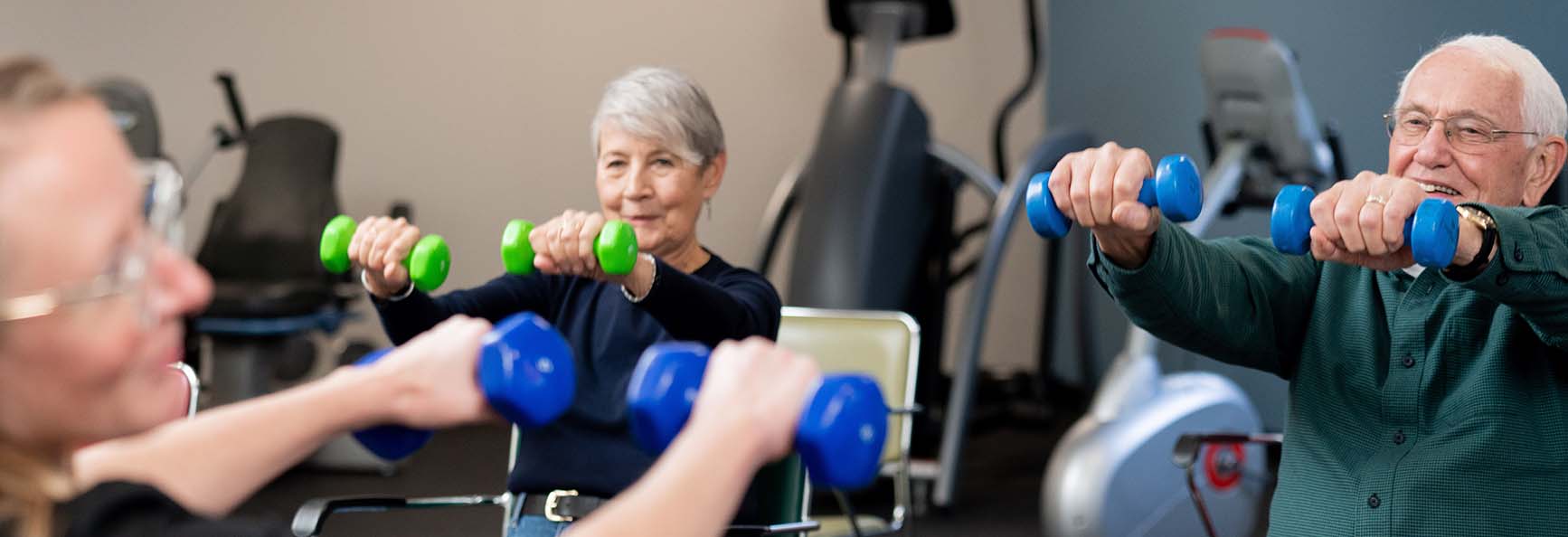
Being at a healthy weight might lower the risk of some types of cancer. These include cancer of the breast, pancreas, liver, colon, and kidney. Physical activity counts too. Besides helping control weight, physical activity on its own may lower the risk of breast cancer and colon cancer. Doing any amount of physical activity is good for your health. But for the most benefit, get at least 150 minutes a week of moderate aerobic activity or 75 minutes a week of hard aerobic activity. More is better. You can combine moderate and hard activity.
Protect yourself from the sun
Skin cancer is one of the most common kinds of cancer and one of the easiest to prevent. Try these tips:
- Limit time spent in the sun. This is especially true between the hours of 10 a.m. and 4 p.m. when the sun's rays are strongest.
- Stay in the shade. When outdoors, be in the shade as much as you can. Sunglasses and a broad-brimmed hat help too.
- Cover your skin. Wear clothing that covers as much skin as possible. Wear a head cover and sunglasses.
- Use plenty of sunscreen. Use a broad-spectrum sunscreen with an SPF of at least 30, even on cloudy days. Put on a lot of sunscreen. Put it on again every two hours. Use it more often if you're swimming or sweating.
- Don't use tanning beds or sunlamps. These can do as much harm as sunlight.
Get vaccinated
Protecting against certain viral infections can help protect against cancer. Talk to a healthcare professional about getting vaccines to prevent specifically Hepatitis B. Hepatitis B can raise the risk of getting liver cancer.
Stay away from alcohol
Alcohol, in any amount, is detrimental to our health. Alcohol consumption contributes to 5.4% of cancer cases. It increases the risk of cancers in the oral cavity, pharynx, esophagus, colorectum, liver, larynx, and breast. According to experts at Johns Hopkins University School of Medicine, the recommendation is really to either stay away or (have) no more than two drinks per day for a man (and) no more than one drink per day for a woman.
Get regular medical care
Do regular self-exams. Get screenings for cancers, such as cancer of the skin, colon, cervix and breast. These efforts raise the chances of finding cancer early. That's when treatment is most likely to work. Ask a healthcare professional about the best cancer screenings for you.
Cancer prevention starts with the choices we make every day. While not all risks are within our control, many are—and small, mindful changes can add up to a lifetime of benefits. Whether it's quitting smoking, moderating alcohol intake, adopting a healthier diet, protecting yourself from UV exposure, or staying up to date with vaccinations, every step you take moves you toward a healthier, cancer-free future. This National Cancer Prevention Awareness Month, empower yourself with knowledge, make proactive choices, and inspire others to do the same. Your future self will thank you.