
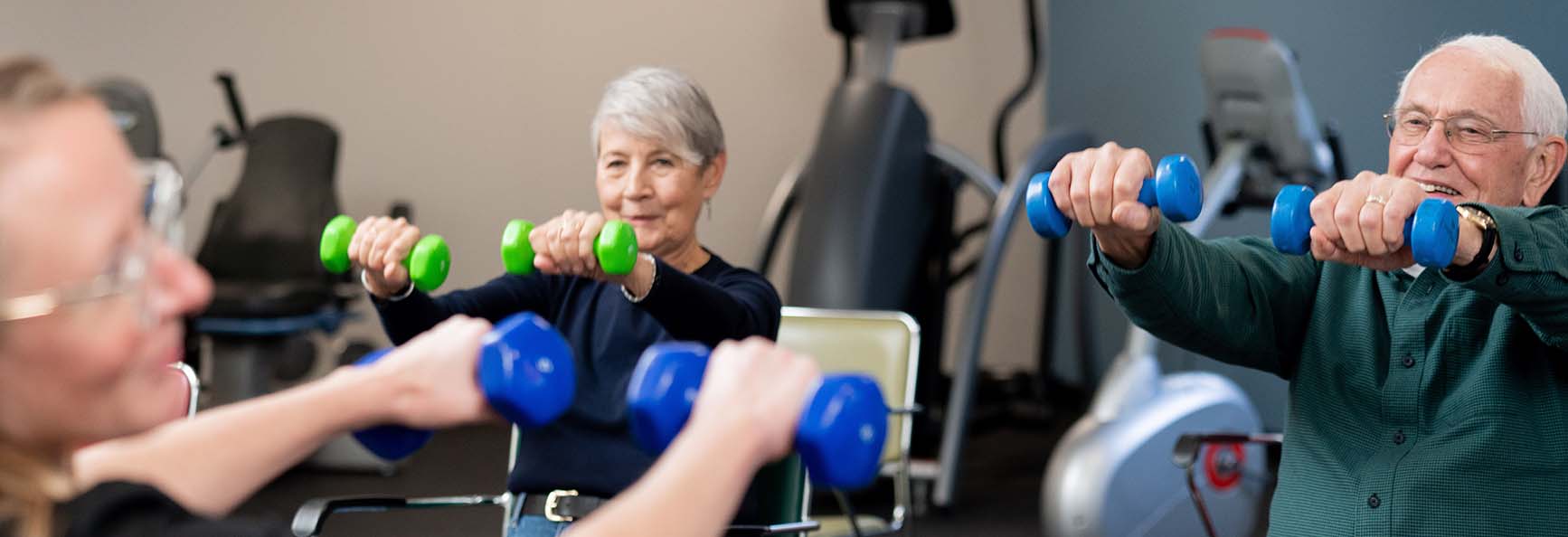
Celebrating National Physical Therapy Month
October is National Physical Therapy (PT) Month. PTs help people across the lifespan participate in the things they want and need to do. They are experts in the way the body moves. PTs help you maintain mobility and quality of life. PTs can get you moving and enjoying life again, using evidence-based treatment techniques that focus on restoring function, reducing pain, and preventing injury.
PT focuses on evaluating, diagnosing, and treating disorders of the musculoskeletal system. PT works to restore functional skills in the following areas:
- Muscle Strength
- Mobility
- Flexibility
- Use of Assistive Devices
- Balance
- Ambulation
PT Myths Debunked
Myth: PT is painful.
Fact: PTs seek to minimize your pain and discomfort. They work within your pain threshold to help you heal and restore movement and function.
Myth: PT is only for injuries and accidents.
Fact: PTs are skilled at evaluating and diagnosing potential problems before they lead to more serious injuries or disabling conditions—from carpal tunnel syndrome and frozen shoulder to chronic headaches and lower back pain, etc.
Myth: I can do PT myself.
Fact: Your participation is key to a successful treatment plan, but every patient still needs the expert care and guidance of a licensed PT. Your therapist will leverage his or her specialized education, clinical expertise, and the latest available evidence to evaluate your needs and make a diagnosis before creating an individualized plan of care.
More than 204,000 PTs are licensed in the United States today. PTs can work in a variety of settings including skilled nursing facilities, independent and assisted living facilities, outpatient clinics, private clinics, hospitals, schools, etc. There are many different types of therapy that a PT can do including but not limited to: orthopedic, wound care, post-operative care, cardiovascular, neurologic rehabilitation, or pulmonary rehabilitation.
What Approaches Do PTs Use?
PT incorporates a variety of treatment approaches and techniques. Specific techniques and strategies may include, but are not limited to:
- Specific exercises to stretch and strengthen muscles as well as to improve posture, balance, and endurance.
- Use of heat, cold, ultrasound, and electrical stimulation incorporated into treatment sessions.
- Manual therapy, massage and modalities for pain reduction and functional improvement.
- Training in the use of assistive devices such as canes and walkers to increase independence.
- Family education and home exercise program development and training.
Who Benefits from PT?
Any individual who is dealing with illness or injury resulting in pain, decreased range of motion, decreased strength, or impaired ability to perform gross motor skills would benefit from PT services.
Examples include but are not limited to:
- Individuals who suffer from chronic conditions such as arthritis.
- Individuals with functional limitations following a stroke, heart attack, burn, amputation or generalized deconditioning.
- Individuals who have undergone surgical repair of arm, leg or spine.
- Individuals with open wounds.
- Individuals with neurological conditions such as Parkinson's disease.
- Individuals with loss of balance or difficulty walking.
- Individuals with pain affecting functional performance of daily activities.
How Can PT Help You?
Seeking professional advice to analyze your unique situation can often result in simple solutions.
- Your PT is specially trained to help adults with a broad range of conditions that affect physical and cognitive functioning.
- Your PT can identify lifestyle changes that can facilitate physical and mental wellness.
- Your PT can provide practical and helpful information and resources to assist in health promotion such as home modification, fall prevention and wellness in your community.
Consult your rehab team today if you think a PT can help you live your life to its fullest potential.